

How I create a Rum tasting flight
There’s nothing wrong with pouring whatever feels right and seeing where the evening goes. In fact, that’s often how some of the most enjoyable sessions happen. But when the goal is to get a bit more from the experience, whether that’s spending more intentional time with your collection, sharing bottles with friends, or exploring a particular style in more depth, a little structure can go a surprisingly long way.
That’s what this post is about. Not the tasting itself but the thinking behind putting a tasting together.
Start with the purpose
Before I start pulling bottles off the shelf, there are usually a few things I want to pin down first because they shape the rest of the tasting.
Who is this for, and what do they already know? A flight I put together for myself will look very different from one designed to introduce someone to a style they’ve never really explored before, where the focus shifts more toward clarity and accessibility than depth or challenge.
Is there a theme? Sometimes that’s obvious from the outset (a country, distillery, production method, or particular style) while other times the connection only becomes clear once the bottles start coming together. Either way, having a thread running through the flight helps it feel more coherent and gives each pour a reason to be there.
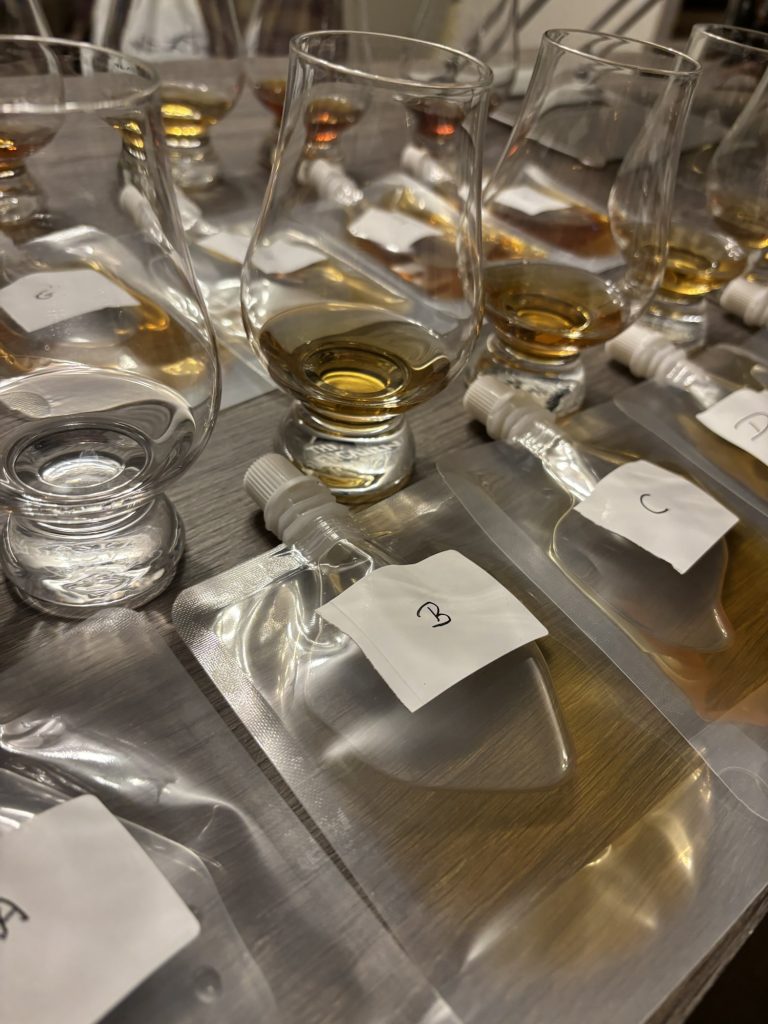
Am I tasting blind, or with full information? Even a semi-blind setup, where you know the bottles involved but not the order, changes the way you approach the tasting and the assumptions you bring into it.
None of this needs to be rigid or formal, but having an idea on them early tends to make the rest of the process fall into place more naturally.
Choosing the rums
Once I’ve got a theme, I start thinking about what actually goes into the flight.
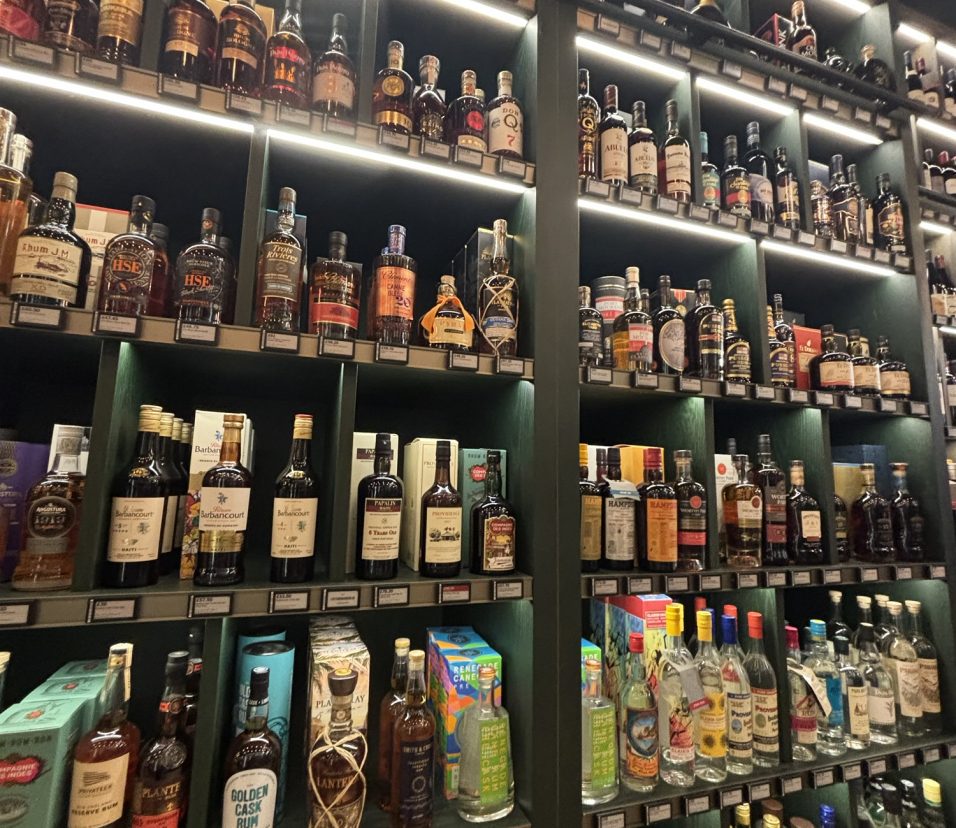
If I’m working from my own collection, it tends to be fairly natural, pulling bottles out and seeing what sits well together. If I’m buying specifically for the occasion, it becomes more deliberate. Either way, I’m not looking for good rums on their own, I’m looking for bottles that make sense together.
I also think about how the flight moves. Not just the order, but the progression. Is it building in intensity, offering a contrast somewhere in the middle, or moving in a rough chronology. A flight with some sense of progression tends to feel more satisfying than one that’s simply a set of good bottles side by side.
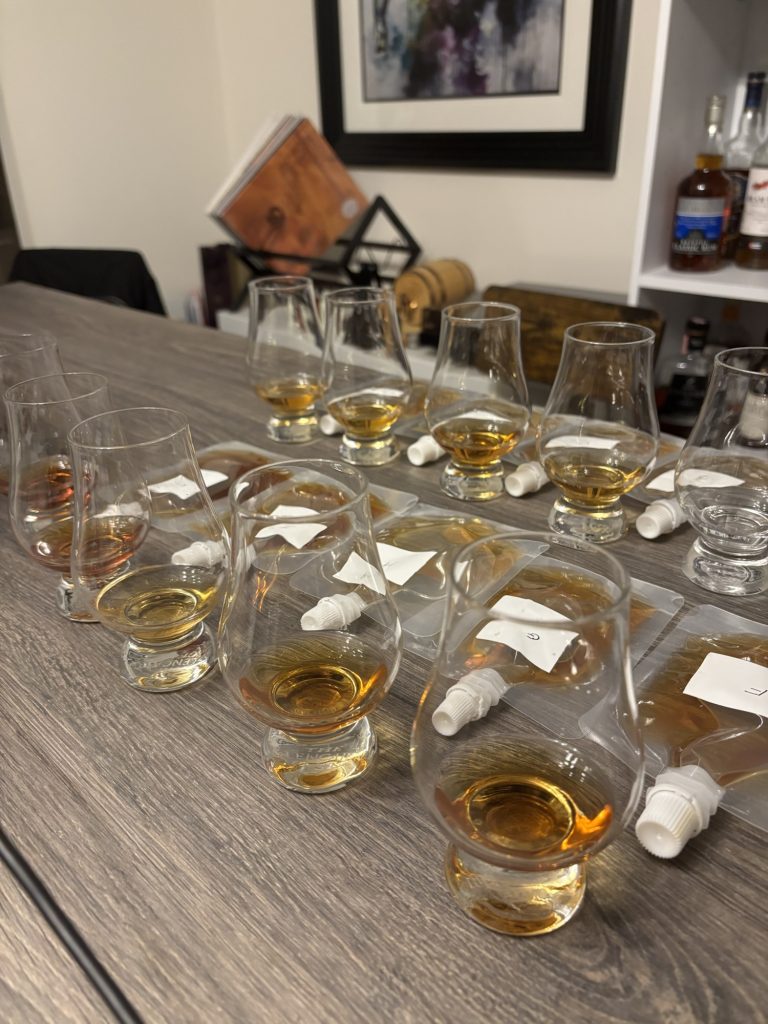
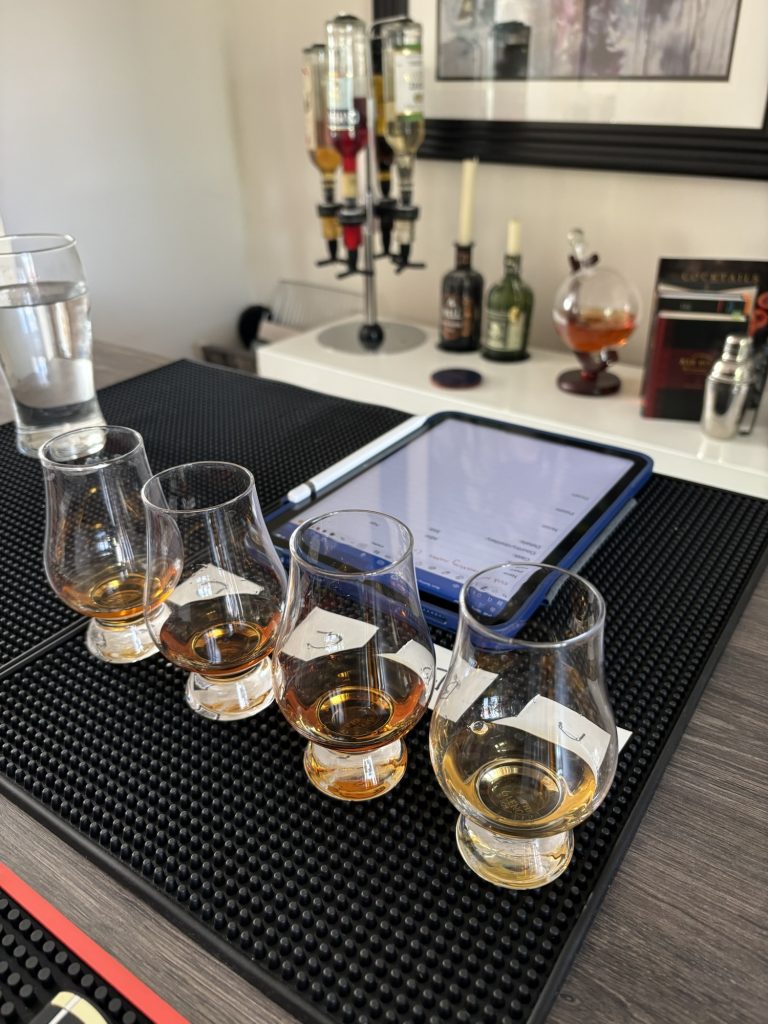
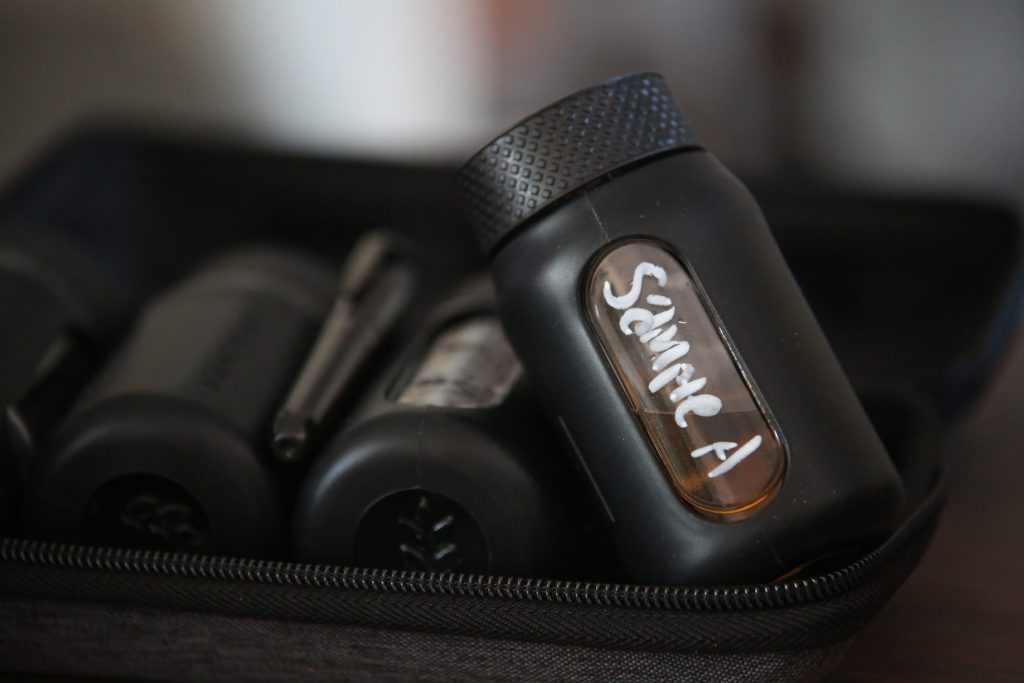
Order matters more than it might seem, and the basic principle is simple: protect the palate.
That usually means starting lighter and building, but ABV alone doesn’t tell the full story. Age, ester levels, and style all play a part in where something should sit. A heavily funky Jamaican rum too early in the flight will colour everything that follows, while a high-strength expression before something more delicate can easily overwhelm it.
The first rum sets the tone. The last one needs to feel like it belongs there, closing things out rather than just being whatever is left. Everything in between is really about sequencing things so each rum gets a fair hearing.
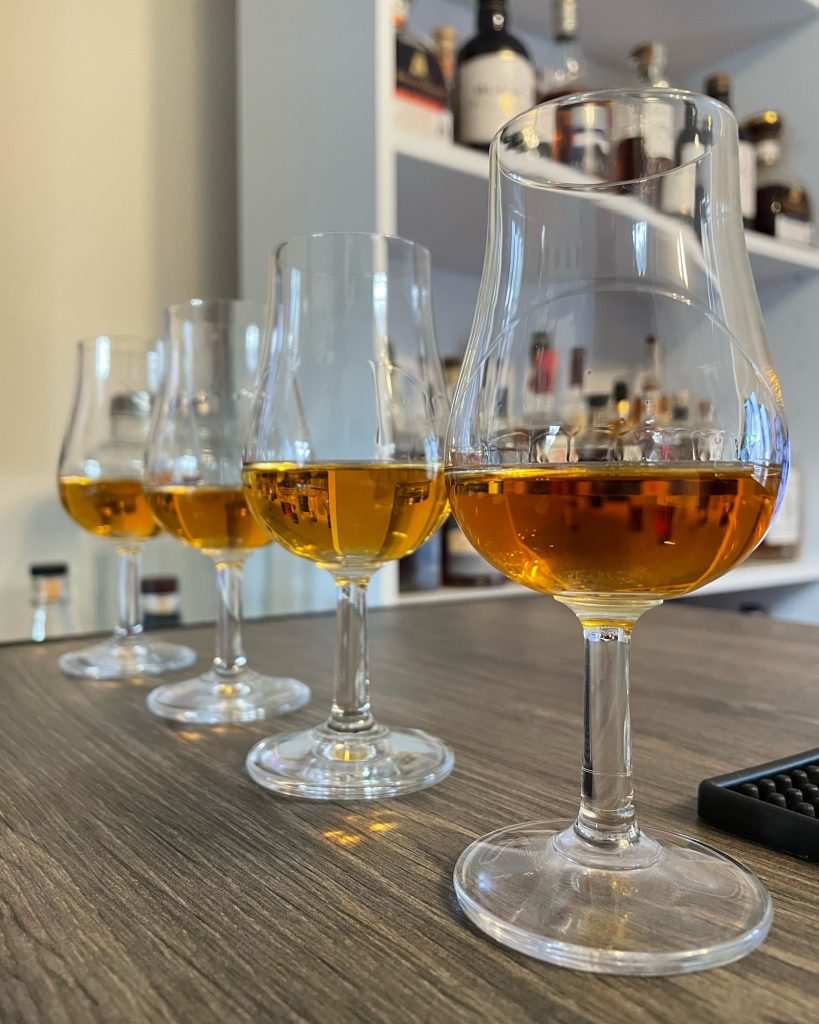
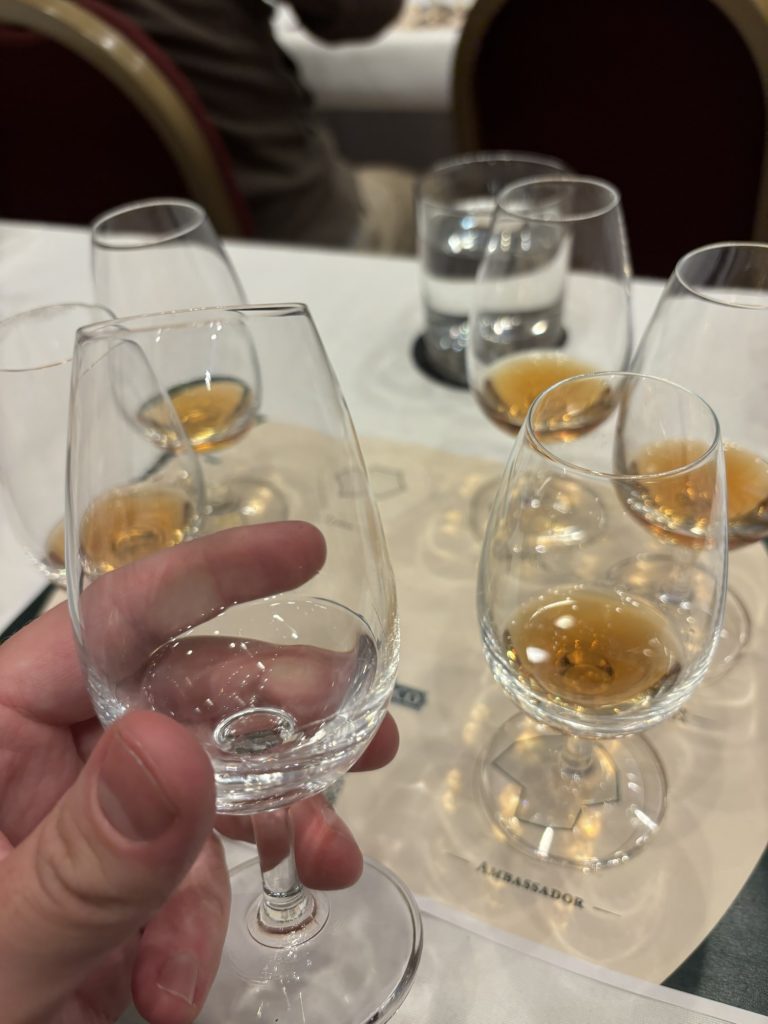
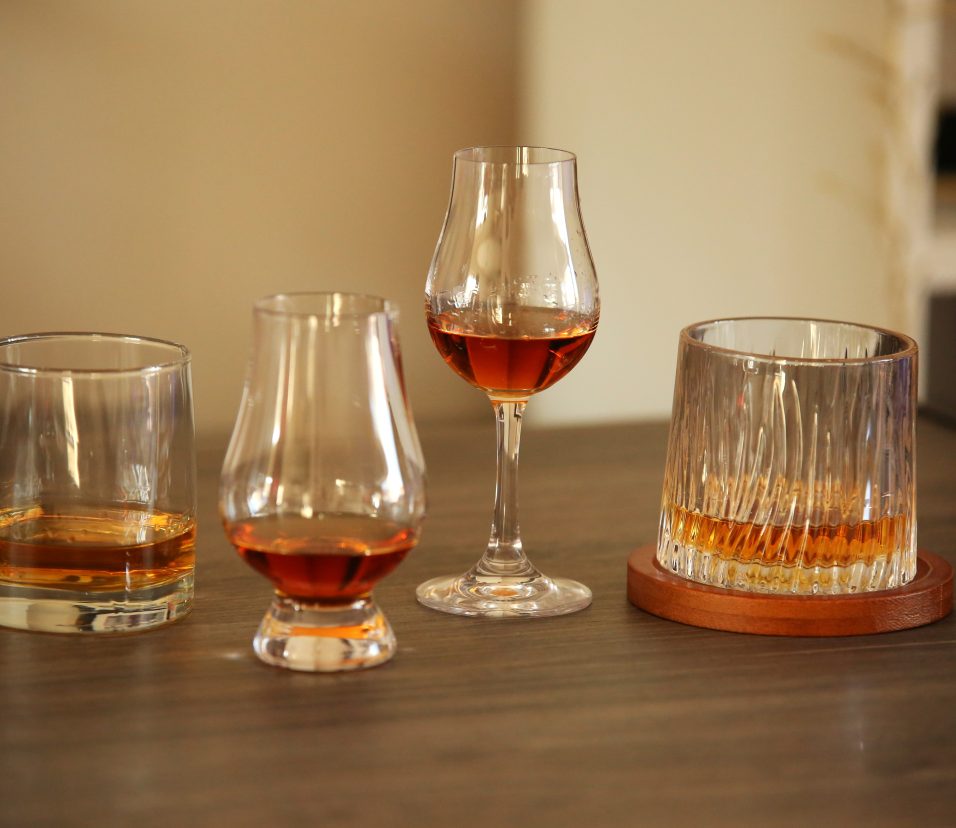
Once you’ve chosen the rums it’s also worth thinking about two practical things: pour size and glassware. Smaller pours make it easier to move through a flight without losing focus toward the end, and keeping the same glassware across all expressions lends consistency.
It’s also worth deciding whether you’re taking notes or just experiencing the flight. If you’re tasting with others, being upfront about it also helps shape how the conversation develops around the table.
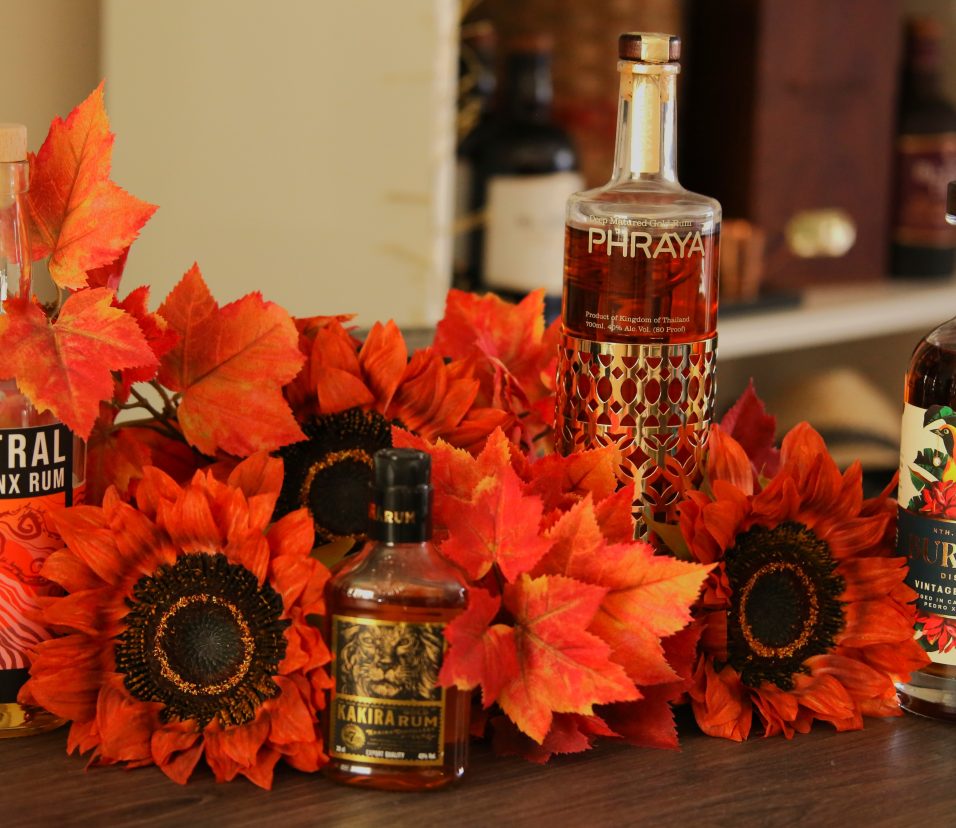
This post is part of an ongoing series on how I approach tasting rum. It’s also the prequel to a new quarterly series where I share a curated flight built around a specific theme, the first of which is coming next week!!
Leave a Reply