


Choosing a glass for tasting Rum
When I first started out exploring the world of Rum I can honestly say that glassware wasn’t really on my radar… my attention was focussed on what I was drinking rather than how I was drinking it, a glass was just a glass.
Over time I came to realise that the shape of the glass was having an impact on what I experienced. Aromas began to present themselves differently. Alcohol sometimes felt very prominent, sometimes soft and in the background. Some rums seemed to open up with a bit more space, whilst others felt more closed.
If you spend any time reading about rum or whisky, you’ll quickly come across plenty of opinions on glassware. Questions like which glass is best for rum, or whether a Glencairn makes a difference, come up fairly often. I’ve never been particularly strict about it, but over time I have settled into a couple of glasses that tend to suit how I like to drink and taste rum at home.
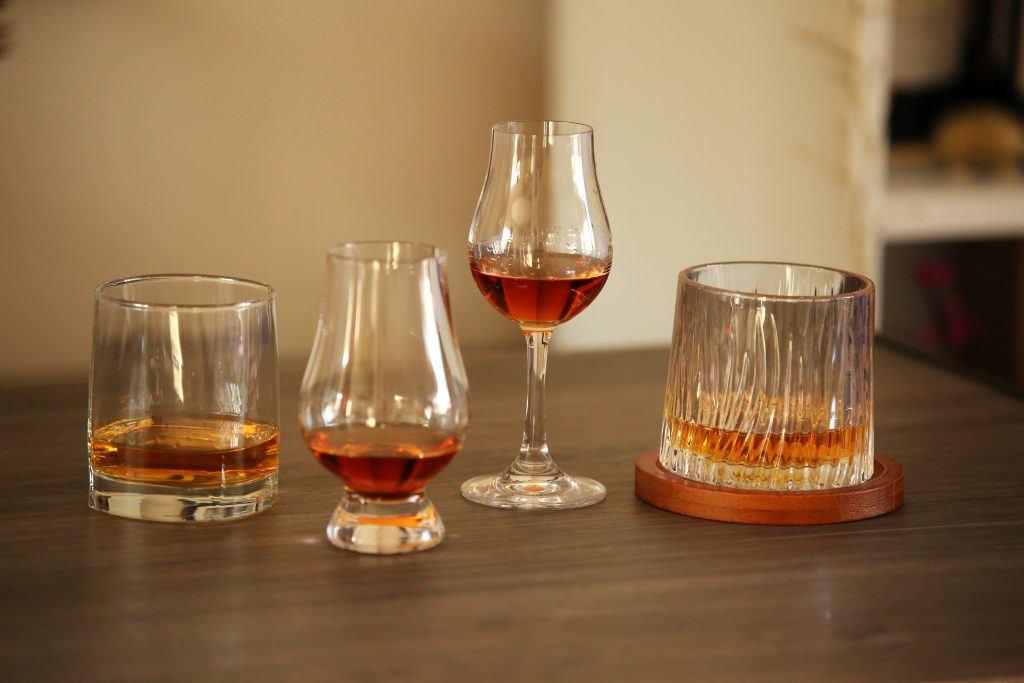
Now, when I’m sitting down to taste something for the blog, I almost always reach for a Glencairn.
The inward taper of a Glencairn helps concentrate the aroma without completely trapping the alcohol, and the bowl gives the rum a bit of room before you nose it. It tends to offer a balanced view of a rum, which is usually what I’m looking for when writing tasting notes.
When I’m not writing tasting notes and I’m simply enjoying a pour, I’ll usually switch to a rocks glass. The wider opening gives the rum a bit more room, and the experience becomes a bit less focused and more relaxed. It feels less analytical, which is often the point. Part of the shift in glass for me is psychological too… I’m less analytical and can just enjoy the rum for what it is.
None of this post is about finding a “perfect” glass, or suggesting one style will improve every rum. But I do think the glass you choose quietly shapes the experience in ways that are easy to overlook. Paying a bit more attention to it has helped me understand what I’m tasting a little more clearly, and enjoy it a bit more too.
Much of what we perceive as flavour in rum actually starts with aroma. (Studies suggest this could be as much as 80%)
The shape of the glass can definitely influence how those aromas present themselves. Wider bowls give aromas space to gather in the glass, while a narrower rim helps guide them towards the nose. Change either of those, and the balance between aroma and alcohol can shift.
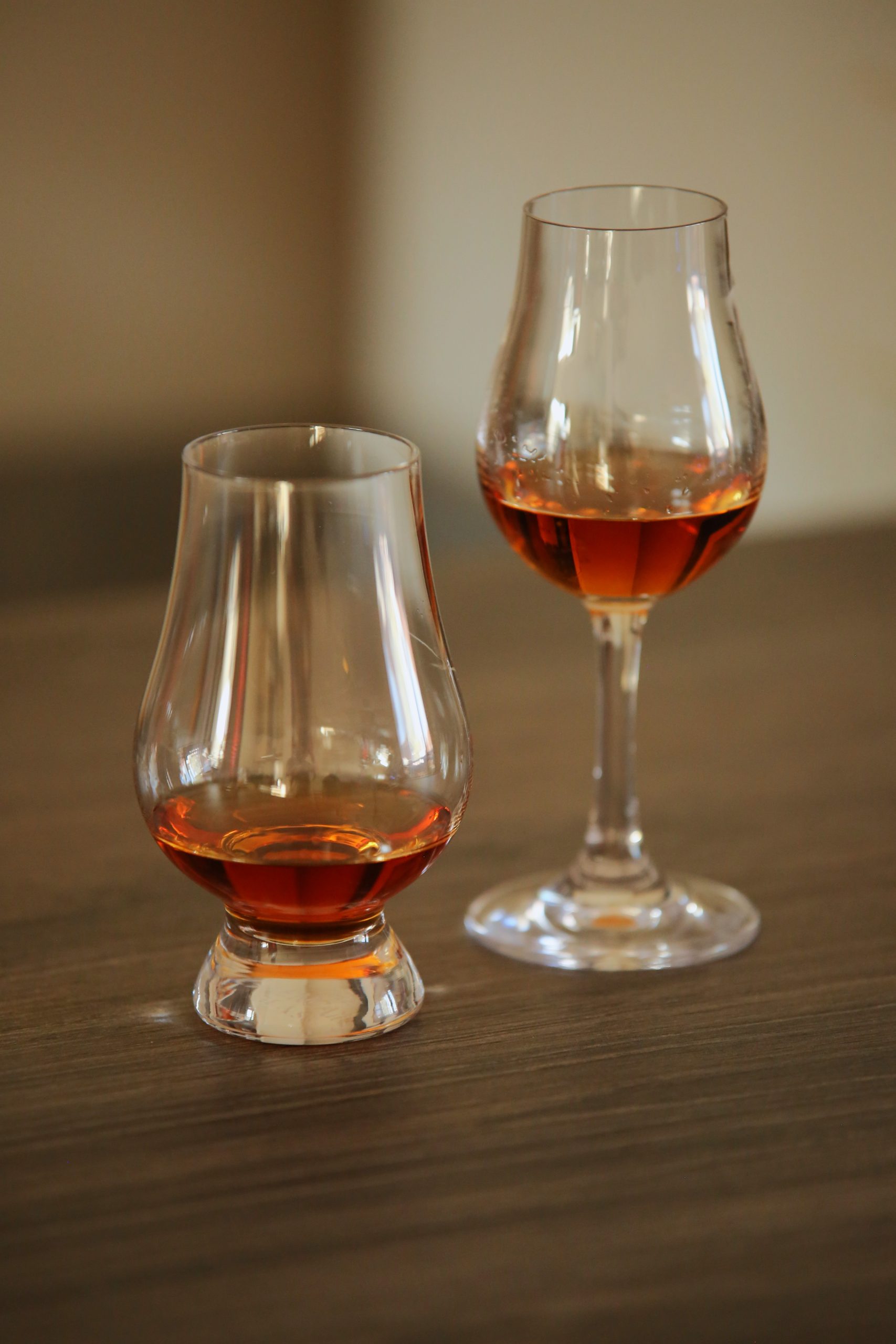
A very narrow opening can sometimes push the alcohol forward, particularly with higher strength rums. A wider opening, on the other hand, may allow more subtle aromas to fade a little sooner. Neither approach is necessarily better, but different shapes do tend to emphasise different aspects of a rum.
Tulip-shaped glasses such as the Glencairn or copita are usually designed with nosing in mind. The taper gathers aroma toward the rim, which can make it easier to pick out individual notes when you’re spending time with a rum. A standard tumbler or rocks glass tends to do the opposite. The wider rim disperses aroma more readily, often softening the perception of alcohol and creating a less concentrated experience.
For me, part of the value in using a consistent glass when tasting is simply familiarity. Occasionally I would pour the same rum into two different glasses out of curiosity, and the experience would shift slightly between them. Not dramatically, but enough to remind me that the glass was playing a role in what I was tasting. So now, when I’m writing tasting notes, removing small variables like the glass I use helps me understand how different rums compare over time. It also helps me build a sense of how aromas tend to present themselves in a given setting.
That doesn’t make the observations objective, but it does make them more stable. Over time, that consistency becomes helpful.
At the same time, there’s a difference between trying to understand a rum and simply enjoying it. A more focused glass can be helpful when I want to spend time with a spirit and pay closer attention to its structure. But that level of concentration isn’t always what I’m looking for at the end of the day.
Switching to a rocks glass is a small change, but it tends to shift my mindset away from evaluation and towards enjoyment. The experience becomes less about identifying individual notes, and more about how the rum feels overall.

This doesn’t need to be overly complicated, most rums will still be enjoyable no matter what glass they’re poured into, so you don’t have to rush out to buy a specific style if you don’t already have one.
For me, paying a little more attention to glassware has simply helped me understand rum more clearly over time. It’s not something I think about too deliberately, in reality the glassware I use is more from habit than anything else. When I’m tasting something new, I reach for a Glencairn without really thinking about it. When I’m simply enjoying a rum in the evening, a rocks glass tends to feel more natural.

Leave a Reply